
AI SDRs for Lead Qualification: Superpower or Overkill?
Speed without losing trust

Octavio clicked a button. Seconds later, my phone buzzed with a call from Mexico. "Hi James, this is David from Fonema. How are you today?" Over three minutes, I threw one curveball after another at David, but he handled them with aplomb. Begrudgingly, I agreed to a follow-up meeting. Seconds later, it appeared on my Google Calendar.
David is an AI voice agent developed by my friend Octavio’s company, Fonema, to qualify leads. I was skeptical it would work. I imagined awkward pauses, spazzing out when I went off script, the meeting never hitting my calendar. But talking to David was smoother than most sales experiences I’ve had. Without context, I doubt I’d have identified him as AI.

This article covers the pros and cons of AI for lead qualification and how to leverage it for your business. Anyone not interested in reading the full article can find a summary here.
Why Lead Qualification Matters
Lead qualification is the systematic evaluation of prospects to determine if sales engagement is justified. A solid system solves two problems:
Speed to Lead → Harvard Business School found that firms contacting potential customers within an hour of receiving a query were nearly 7x as likely to qualify the lead as those contacting even an hour later.
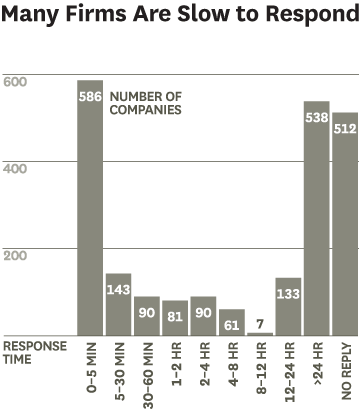
Maximizing Value Per Call → Hours are limited. If leads aren’t vetted, sales reps burn time that could be spent on qualified prospects.
Well-oiled sales organizations traditionally use human SDRs to contact leads quickly, assess fit, and pass qualified ones to account executives for closing calls.
Lead Qualification Challenges
However, the status quo has always had issues:
Coverage Gaps → Weekends, holidays, and off-hours have historically low SDR coverage, causing leads to go stale and close at lower rates.
Cost → All-in SDR compensation averages ~$80k, and most companies need multiple SDRs to handle lead volume.
Overwhelmed SDRs → Given SDR costs, many companies under-invest in headcount, leading to overwhelmed reps, coverage gaps, and poor speed-to-lead.

How AI SDRs Solve These Problems
AI SDRs offer a modern solution. Companies like Fonema or Bland AI use AI voice agents to call inbound leads, ask questions, assess fit, and hand qualified prospects to AEs for closing. Companies like Conversica or 11x.ai do the same via email and text.
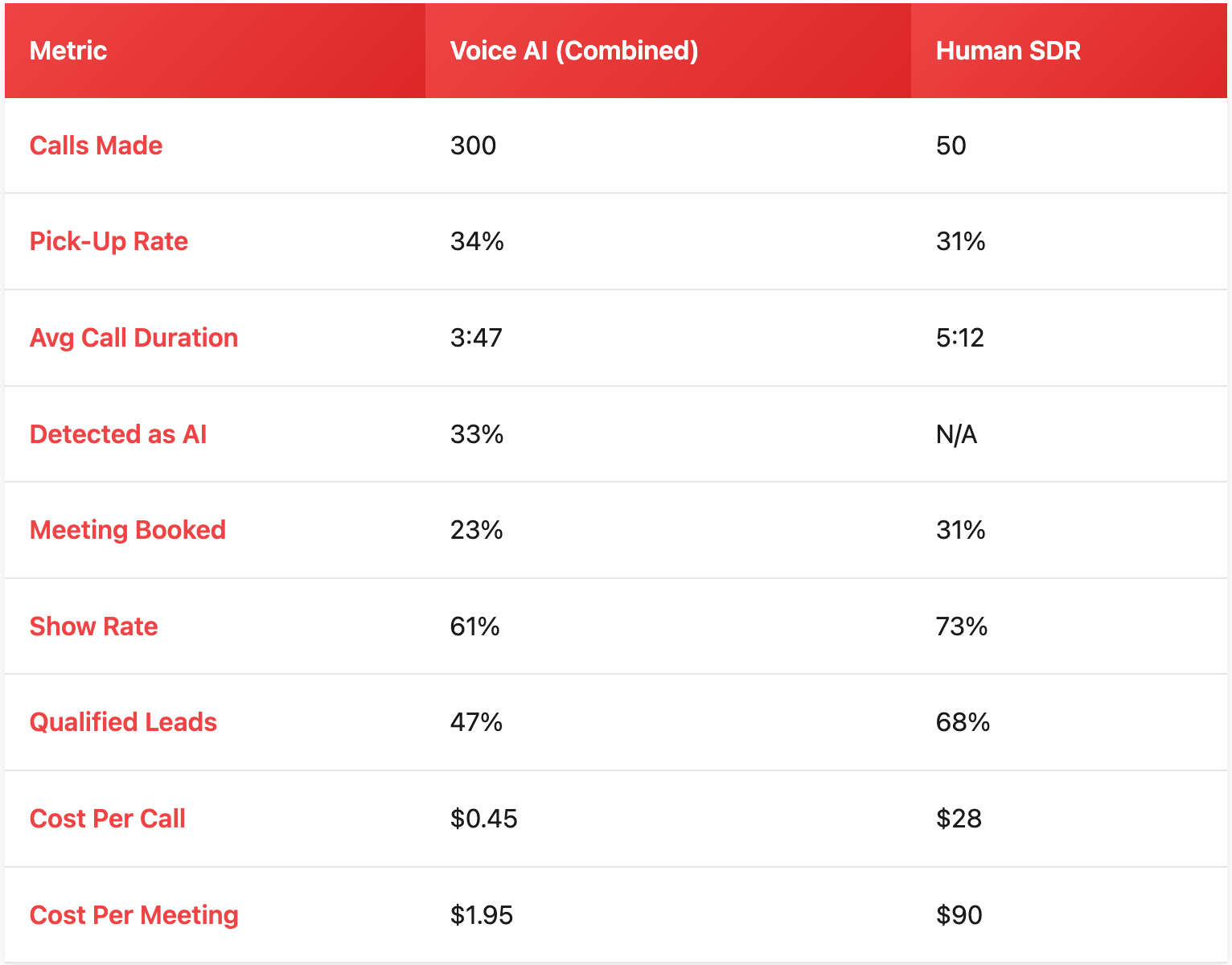
A 2026 study tested 6 voice AI platforms across 300 sales calls. AI voice agents made 10x more calls in the same timeframe and were 46x cheaper per meeting than human SDRs. AI agents can tackle coverage gaps and free human SDRs for higher-impact work with greater job satisfaction.
The Downsides of AI SDRs
The downsides, per the study: AI booking rates were lower than human SDRs (23% vs. 31%), as were show rates for AI-booked meetings (61% vs. 73%). In sum: voice AI wins on volume and cost. Humans win on quality and conversion.
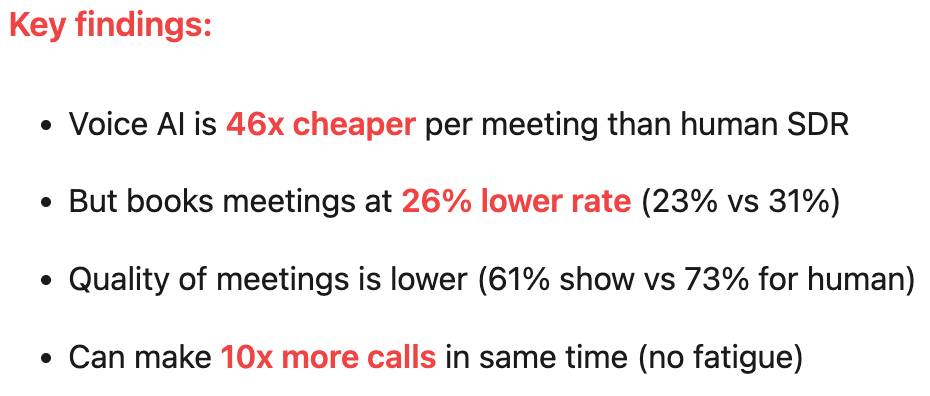
However, one wrinkle: 33% of prospects identified the AI. A University of Arizona study found that disclosing AI use decreased trust (undisclosed AI use decreased trust even more):
-Trust from students dropped 16% when they learned a professor used AI for grading.
-Investors trusted firms 18% less when ads disclosed AI use.
-Clients placed 20% less trust in graphic designers after AI disclosure.

Ultimately, it’s a tradeoff. If human SDRs have coverage gaps or slow speed-to-lead, prospects feel neglected and trust the brand less anyway.
How to Mitigate the Downsides
In practice, high-performing GTM teams run a hybrid model. Inbound and outbound leads are scored on fit and intent; high-scoring leads route to human SDRs or AEs, while lower- and mid-intent leads go to AI SDRs for follow-up and early qualification via email, chat, or voice.
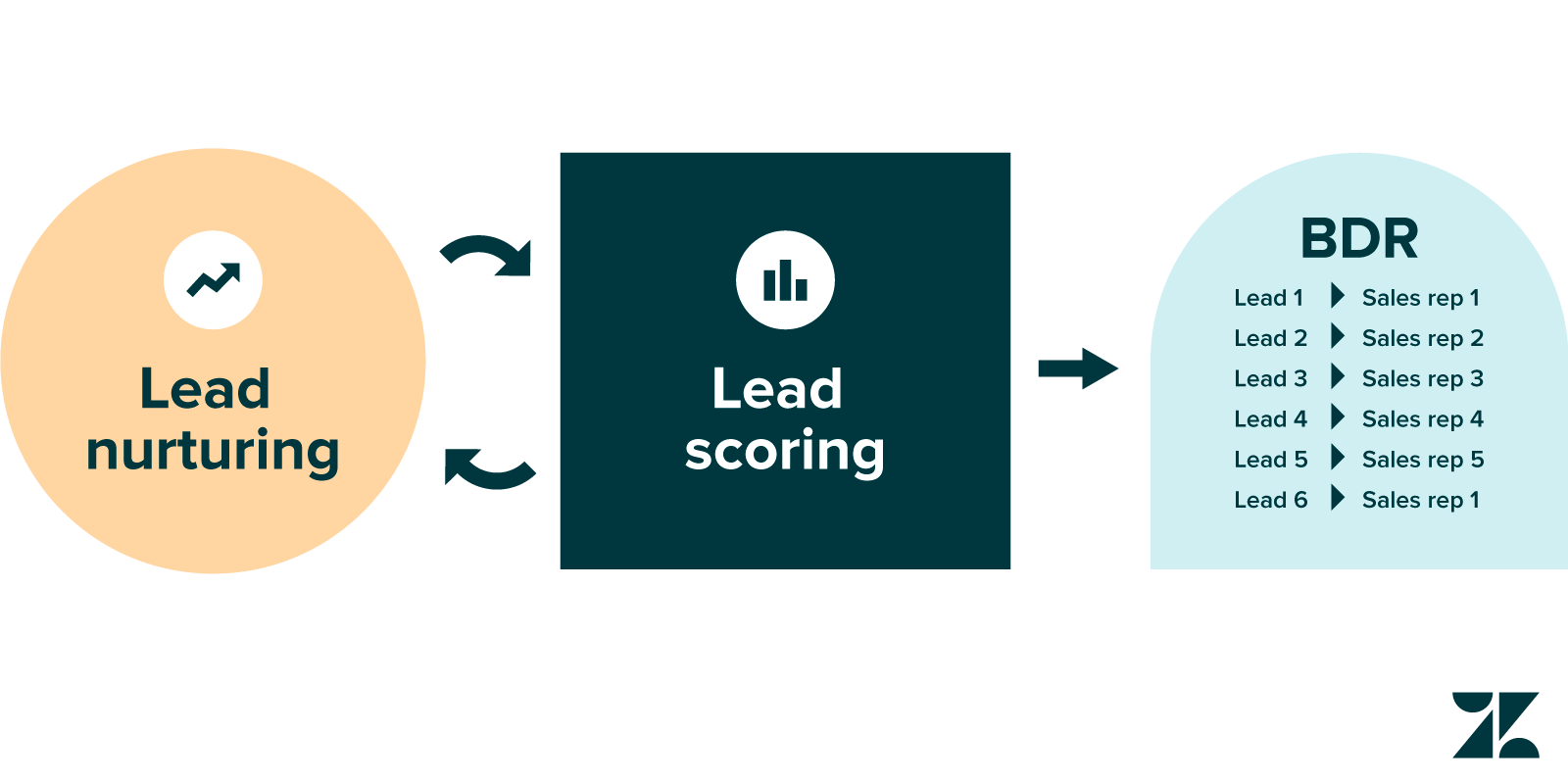
Critically, teams define clear escalation rules: when buying intent appears or a prospect requests human support, the conversation immediately transfers to a real person. AI expands coverage and speed. Humans own the moments that shape trust and close deals.
When it Makes Sense to Invest in AI SDRs
AI SDRs make sense when lead volume and response expectations exceed what a small team can handle. Teams typically see ROI when volume crosses 50–100+ leads per month and response speed degrades. At that point, follow-ups slip, leads go cold, and coverage outside business hours becomes inconsistent. AI SDRs provide instant, 24/7 first-touch and systematic follow-up, especially valuable for companies selling globally or across time zones.
Average contract value (ACV) matters. Higher contract values make missed or slow responses more costly and justify automation that improves speed-to-lead. AI SDRs are attractive when one missed deal exceeds the monthly AI cost. For low-ACV products, AI SDRs replace repetitive qualification work, improving unit economics and letting lean teams scale.

Qualification complexity is another inflection point. Simple, static qualification (basic firmographics via forms) works fine with traditional forms and routing. But dynamic qualification, requiring back-and-forth on use cases, timing, stakeholders, or budget, favors AI. AI SDRs adapt questions in real time, handle objections, and surface intent signals that would otherwise need human follow-up, transforming leaky form-fills into actual qualification.
Conclusion
AI SDRs don't fix broken sales processes, but they close real gaps in speed, coverage, and consistency. Used well, they take pressure off human teams and prevent leads from going cold. The advantage comes from knowing when automation helps and when a human touch changes the outcome. This approach lets teams move faster without sacrificing trust where it matters.
If you liked this content, please click the <3 button on Substack so I know which content to double down on.
TLDR Summary
AI SDRs can dramatically improve speed-to-lead, coverage, and cost efficiency in lead qualification, but they trade off against human trust and conversion quality. The winning approach isn’t replacing humans with AI, but designing a hybrid system where AI handles volume and first-touch qualification while humans step in for high-intent moments. This article breaks down when AI SDRs work, where they fall short, and how to deploy them without damaging trust or close rates.
Key Insights
Why Lead Qualification Matters
Fast, effective qualification directly impacts revenue:
Speed-to-lead: Contacting prospects within an hour increases qualification rates by up to 7x.
Value per call: Sales time is scarce. Poorly qualified leads waste your highest-leverage resource.
Traditional SDR teams handle this well in theory, but struggle in practice due to cost and coverage constraints.
Where the Traditional SDR Model Breaks
Human SDR teams face structural limits:
Coverage gaps: Nights, weekends, and holidays cause leads to go cold.
High cost: ~$80k fully loaded per SDR limits headcount.
Overload: Understaffed teams slow response times and miss follow-ups.
What AI SDRs Do Well
AI SDRs (voice, email, chat) solve the coverage and scale problem:
10x call volume at a fraction of the cost.
24/7 availability eliminates speed-to-lead decay.
Lower cost per meeting frees human SDRs for higher-impact work.
They’re best at volume, consistency, and first-touch triage.
Where AI SDRs Fall Short
The tradeoffs are real:
Lower booking and show rates vs. humans.
Trust risks: Disclosure of AI can reduce trust; undisclosed use can erode trust even more if discovered.
Weaker conversion quality: Humans still outperform AI in nuanced qualification and persuasion.
How High-Performing Teams Use AI
The best GTM teams run a hybrid model:
High-intent leads → humans
Low/mid-intent leads → AI SDRs
Clear escalation rules ensure humans take over when buying signals appear
AI handles speed and scale. Humans own trust and closing moments.
When AI SDRs Make Sense
AI SDRs are most effective when:
Lead volume exceeds 50–100+/month and speed-to-lead is slipping
ACV is high enough that missed leads are costly
Qualification is dynamic, requiring back-and-forth vs. static forms
Global or after-hours coverage is needed
Conclusion
AI SDRs don’t replace good sales strategy, but they close real operational gaps in speed, coverage, and consistency. The edge comes from deploying automation where scale matters and preserving human touch where trust and conversion matter most. Teams that design for both move faster without sacrificing the moments that actually win deals.
This is so on point, especially in environments where SDR teams are stretched thin and expected to be perfectly reliable across every touchpoint. The reality is that no system, human or AI is 100% consistent at screening and qualification, particularly at scale.